

In this digital world, students can begin earning money before they graduate. You already possess one of the most valued abilities in the market if you are studying digital marketing. The best part? You can start freelancing while you’re still studying.
At Moving Digits, we’ve seen many students begin their freelancing journey during our advanced digital marketing course and build strong portfolios even before completing their training. Here’s a practical guide on how you can do the same.
Why Freelancing Is Perfect for Digital Marketing Students
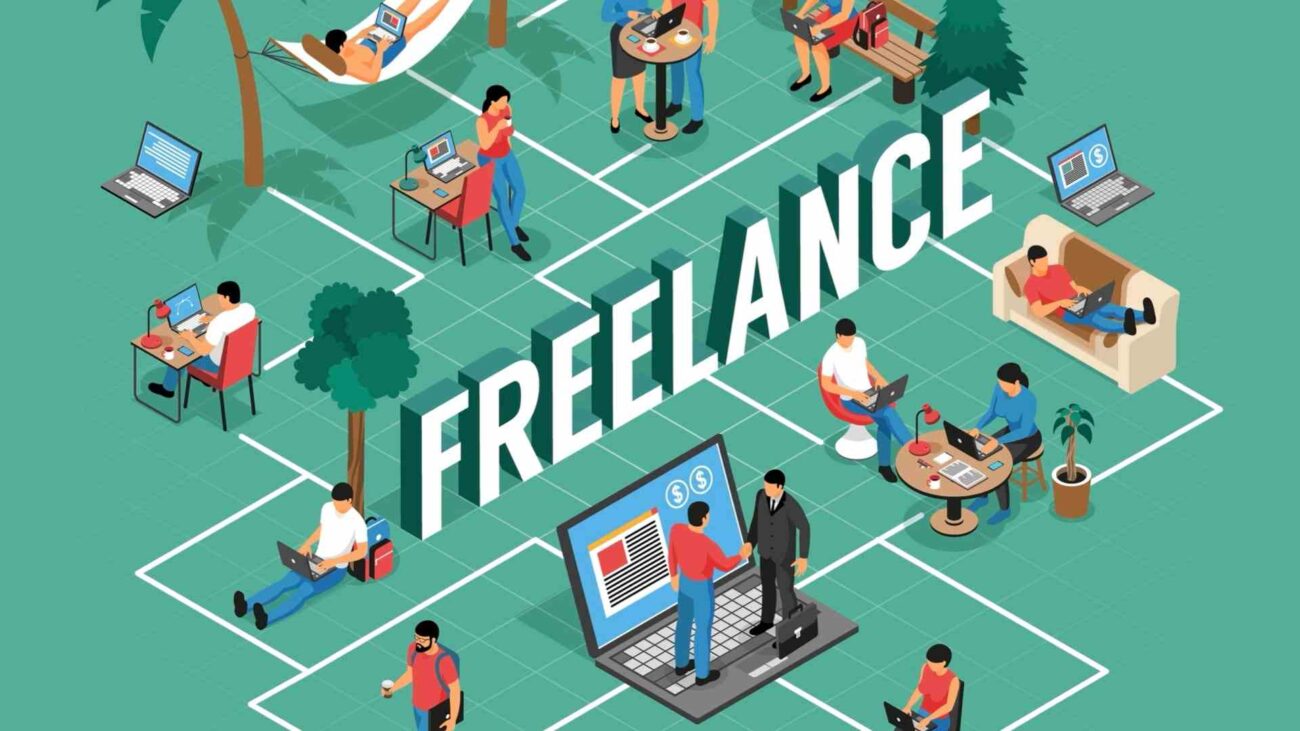
Digital marketing is skill-based. Clients don’t ask for degrees; they ask for results. If you can generate leads, improve website rankings, run ads, or manage social media effectively, you can start earning.
Benefits of Freelancing as a Student:
- Earn while learning
- Build real-world experience
- Create a strong portfolio
- Develop confidence and communication skills
- Gain industry exposure
Freelancing helps you apply theory into practice, and that’s where real growth happens.
Step 1: Learn One Skill Deeply First
Digital marketing includes:
- SEO
- Social Media Marketing
- Google Ads
- Content Marketing
- Email Marketing
- Website Development
- Analytics
As a student, don’t try to master everything at once. Start with one core skill. For example:
- If you enjoy writing, → Start with SEO & content marketing
- If you like creativity → Social media marketing
- If you love numbers → Google Ads & analytics
At the moving digits stage, students are encouraged to select a specialization during the advanced digital marketing course, enabling them to confidently pitch their services.
Step 2: Practice on Real Projects
Before finding clients, practice.
Here’s how:
- Create your own blog or website
- Optimize a friend’s small business page
- Run a small ad campaign with a limited budget
- Offer free service to 1–2 businesses to gain testimonials
Practical implementation builds confidence. Even a small Instagram page you manage can become part of your portfolio.
Step 3: Build a Simple Portfolio
You don’t need a big website initially.
Your portfolio can include:
- Case studies (Before vs After results)
- Screenshots of campaigns
- Social media creatives
- SEO ranking improvements
- Google Ads performance data
Make a simple Google Drive folder or create a basic website. Clients want proof, not promises.
Step 4: Create Your Freelance Presence
Once you’re confident in your skill, create your professional presence.
Platforms to Start:
- Fiverr
- Upwork
- Freelancer
- Intern shala
Optimize your profile with:
- Clear headline (Example: “SEO Specialist for Small Businesses”)
- Strong description
- Sample work
- Clear service packages
Pro Tip: Don’t compete on price. Compete on value.
Step 5: Start with Small Businesses

Many small business owners don’t understand digital marketing but know they need it.
Target:
- Local shops
- Cafes
- Coaches
- Startups
- Real estate agents
- Tuition classes
Pitch them simple solutions:
- “I can improve your Google ranking.”
- “I can manage your Instagram page.”
- “I can generate leads using Facebook Ads.”
Keep your proposal simple and focused on results.
Step 6: Use LinkedIn Smartly
LinkedIn is powerful for students.
Post content like:
- What you learned in SEO
- Case studies
- Ad campaign results
- Social media growth screenshots
- Digital marketing tips
When clients see your knowledge publicly, trust builds automatically.
Step 7: Price Your Services Smartly
As a beginner, don’t undercharge too much, but also don’t overprice.
Example beginner pricing:
- Social Media Management: ₹5,000 – ₹10,000/month
- SEO (Basic): ₹6,000 – ₹12,000/month
- Google Ads Setup: ₹4,000 – ₹8,000 + Ad Budget
Once you get results and testimonials, increase pricing gradually.
Step 8: Focus on Communication & Reporting
Many freelancers lose clients not because of poor work, but because of poor communication.
Always:
- Send weekly reports
- Explain results in simple language
- Be honest about expectations
- Set clear timelines
Professional behaviour builds long-term clients.
Step 9: Keep Learning While Earning
Digital marketing changes constantly.
- Google updates algorithms
- Social media trends change
- Ad platforms introduce new features
That’s why continuous learning is important. At moving digits, students are trained not just in tools, but in strategy and real-world implementation through our advanced digital marketing course.
Freelancing success comes when learning never stops.
Common Mistakes Students Should Avoid
- Trying to learn everything at once
- Working without a contract
- Not setting clear deliverables
- Ignoring analytics
- Undervaluing their work
- Copying strategies blindly
Remember: Digital marketing is about testing, optimizing, and improving.
Realistic Timeline to Start Freelancing
If you are consistent:
- Month 1–2: Learning & practice
- Month 3: Portfolio creation
- Month 4: First client
- Month 6: 2–3 clients consistently
Many students start earning part-time income within 4–6 months of structured learning and practical exposure.
Conclusion
Freelancing while learning digital marketing is not just possible, it’s smart.
Instead of waiting for a job after graduation, students can:
- Build skills
- Earn income
- Gain real experience
- Become financially independent
The key is structured learning, practical exposure, and consistent action.
At Moving Digits, we strongly believe that students should not just learn digital marketing; they should implement it. That’s why our advanced digital marketing course focuses on live projects, strategy development, and real-world client handling.