

Google algorithm updates are one of the most talked-about topics in SEO, but they are often misunderstood. As an owner of a digital marketing institute, I regularly interact with students, business owners, and marketing professionals who worry every time Google launches a new update. Questions like “Will my website lose rankings?” or “Do I need to change my entire SEO strategy?” come up often.
The truth is, Google algorithm updates don’t randomly penalize websites. Instead, they refine how Google assesses ranking factors to provide better search results. In this blog, I’ll explain how Google algorithm updates change ranking factors, what stays the same, and how businesses and marketers can adjust wisely.
What Are Google Algorithm Updates?
Google’s algorithm is a complex system that retrieves data from its search index and quickly delivers the best possible results for a query. Algorithm updates are changes or improvements made to this system.
These updates can be:
• Core Updates – Broad changes that impact overall search rankings
• Content Updates – Focused on content quality, relevance, and usefulness
• Spam Updates – Target manipulative or low-quality SEO practices
• Experience Updates – Related to page experience, speed, and usability
For anyone learning SEO or running campaigns, understanding these updates is essential, something we strongly emphasize at our digital marketing institute in Dadar.
Why Google Keeps Updating Its Algorithm
Google’s main goal is straightforward: to provide users with the most relevant, helpful, and trustworthy content.
Algorithm updates help Google:
• Eliminate low-quality or misleading content
• Reward websites that provide real value
• Adjust to changing user behavior
• Improve the search experience across devices
From my perspective as an institute owner, algorithm updates are not a threat; they are a roadmap showing the direction of SEO.
How Google Algorithm Updates Change Ranking Factors
Let’s break down the major ranking factors that change with each update.
1. Content Quality Has Become the Top Priority

Earlier, SEO focused heavily on keyword stuffing and basic optimization. Today, Google prioritizes:
• Depth of content
• Originality
• Clear intent matching
• Practical value for users
Algorithm updates like Panda and Helpful Content Changes shifted ranking power toward people-first content. Websites that answer real questions, offer insights, and solve problems consistently rank higher.
Key takeaway: Content made only for search engines will lose visibility over time.
2. Search Intent Matters More Than Keywords
Google now looks at why a user searches, not just what they type.
Ranking factors now include:
• Informational intent (blogs, guides)
• Navigational intent (brand or service searches)
• Transactional intent (buy, enroll, sign up)
For example, a blog optimized for “SEO basics” should educate—not sell aggressively. At our institute, we teach students that understanding intent is crucial for successful digital marketing in Dadar and beyond.
3. E-E-A-T Is Stronger Than Ever
Google increasingly evaluates:
• Experience
• Expertise
• Authoritativeness
• Trustworthiness
Algorithm updates prioritize content created or reviewed by experts, especially in areas like health, finance, and education.
As an institute owner, I always recommend:
• Showcasing author credentials
• Adding real-world examples
• Keeping transparent business information,
Websites that show credibility tend to fare better after updates.
4. User Experience Influences Rankings
Updates related to Page Experience and Core Web Vitals introduced new ranking signals like:
• Page loading speed
• Mobile responsiveness
• Visual stability
• Safe browsing
If users leave your website quickly or have trouble navigating, your rankings may drop—even if your content is good.
SEO today is not just about search engines; it’s about user satisfaction.
5. Backlinks: Quality Over Quantity
Previously, more backlinks often resulted in higher rankings. Google has since refined this factor.
Now Google assesses:
• Relevance of linking sites
• Authority of domains
• Natural link-building patterns
Spammy or paid links can hurt rankings after updates. Ethical link-building remains a valuable long-term ranking asset, a core principle we teach at our digital marketing institute in Dadar.
6. AI & Semantic Search Are Changing SEO
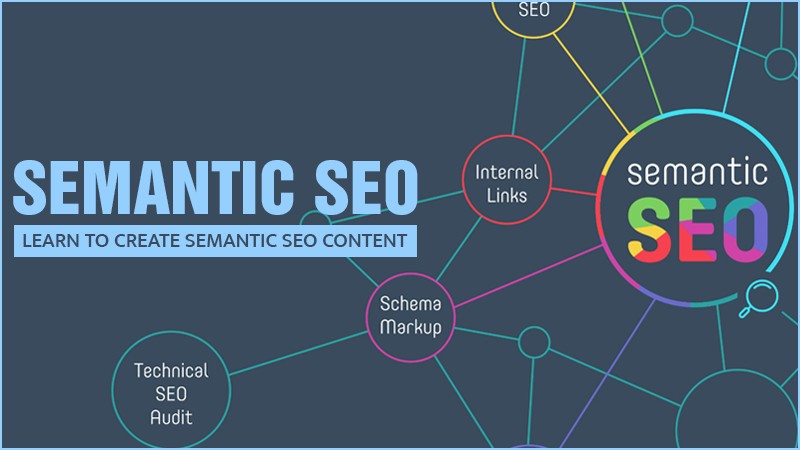
Recent updates use AI to understand:
• Context of content
• Topic relationships
• Natural language
This means:
• Exact-match keywords matter less
• Topical authority is more important
• Well-structured content ranks better
SEO strategies now focus on topics rather than just individual keywords.
What Has NOT Changed Despite Algorithm Updates
Despite frequent updates, some basics stay the same:
• Creating helpful, original content
• Properly optimizing on-page elements
• Building genuine backlinks
• Maintaining website health
Algorithm updates fine-tune SEO; they don’t replace it.
How Businesses and Marketers Should Adapt

From my experience training hundreds of students, here’s how to avoid ranking drops:
1. Focus on value-driven content
2. Update old blogs regularly
3. Improve website speed and user experience
4. Avoid shortcuts and black-hat SEO
5. Track performance without panicking
SEO success comes from consistency, not chasing every update.
Conclusion
Google algorithm updates are not obstacles; they are signs of changing digital standards. They encourage marketers and businesses to create better content, enhance user experience, and build trust.
As the owner of a digital marketing institute, I view updates as learning opportunities for students and growth chances for brands. When you align your SEO strategy with Google’s long-term vision, your rankings can become more stable and sustainable.
If you’re serious about mastering SEO and staying ahead of algorithm changes, learning practical, real-world strategies is essential—especially in a competitive space like digital marketing in Dadar.