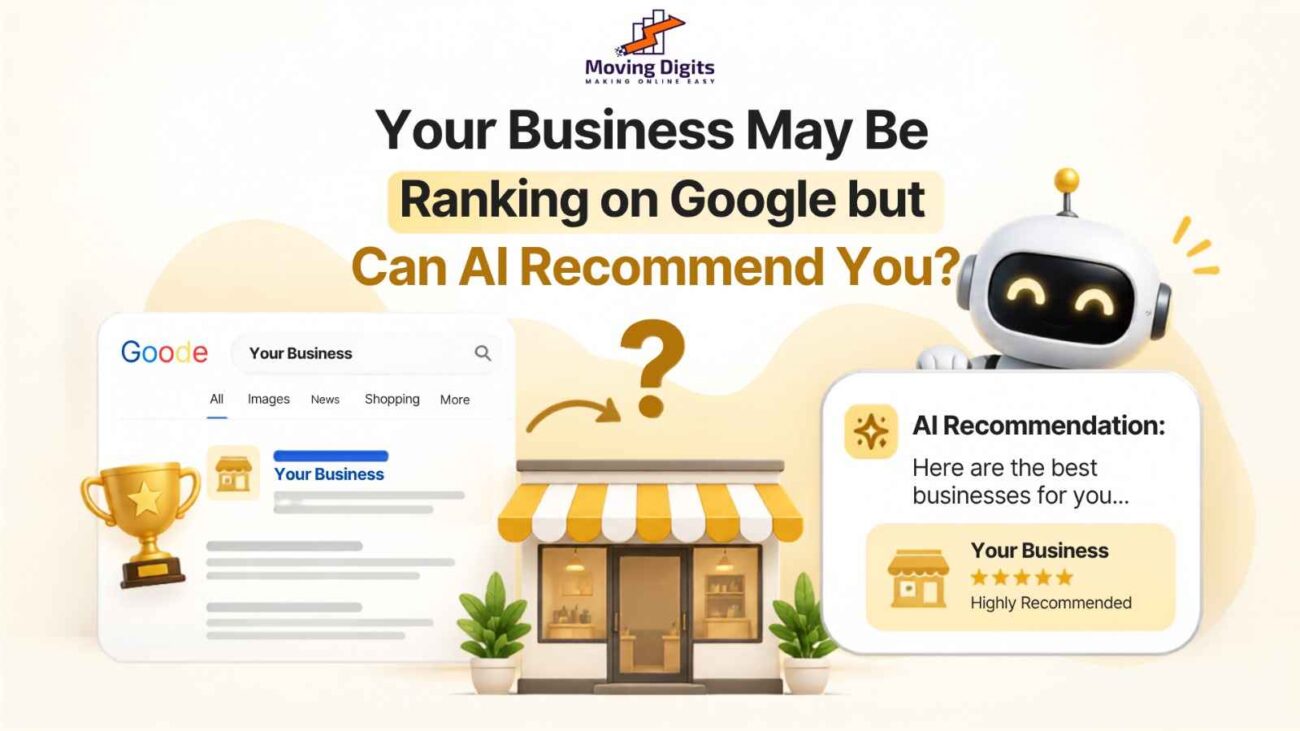

For over a decade, SEO was a game of “Blue Links.” We obsessed over keyword density, backlink velocity, and the almighty “top three” positions on Google. But the ground has shifted. We have entered the era of AI Search, and if your business isn’t evolving, you’re missing the new front door to your customers’ journey.
What Actually is AI Search?
Unlike traditional search, which provides a list of links for you to explore, AI search (often called Generative Engine Optimization or GEO) uses Large Language Models (LLMs) to synthesize information. When a user asks a question, engines like Gemini, ChatGPT, or Perplexity don’t just point to a website; they “read” the web, extract the most relevant passages, and provide a direct, conversational answer.
In this model, the search engine becomes the expert. It summarizes, synthesizes, and repackages information, often citing its sources directly within the chat interface. Your goal is no longer just to rank; it is to be cited as the authoritative source.
Why Should Your Business Care?
AI search is not just a trend; it is a fundamental change in intent.
- High-Intent Traffic: Users utilizing AI search are usually deeper in the research phase. They are asking complex, conversational questions rather than broad keyword searches. When an AI cites your business, it acts as a recommendation, often resulting in higher-quality, more qualified leads.
- Authority Over Clicks: Traditional SEO relies heavily on link-building. While technical SEO remains a prerequisite, AI search cares more about content architecture. It evaluates whether your content directly answers the user’s specific query and whether your brand is a trusted entity in that space.
- Visibility Beyond the “Click”: Even if a user doesn’t click through to your site, appearing in an AI-generated summary puts your brand name in the consideration set. It builds brand recall at the exact moment the consumer is looking for a solution.
How to Stay Ahead
To succeed in this new landscape, you need to pivot your strategy from “keyword-first” to “answer-first.”
- Structure Your Data: Use clear, concise headings that mirror common customer questions.
- Build Your Entity Authority: Ensure your brand is consistently mentioned across authoritative sources, local directories, and industry research.
- Focus on Trust: AI models prioritize reliable, high-quality information. Positive reviews and accurate, updated business data are critical signals that tell AI engines your business is legitimate and helpful.
The Learning Curve
Understanding these shifts requires more than just reading blog posts; it requires hands-on experience and a deep grasp of how these algorithms synthesize data. If you are looking to master these skills and stay ahead of the curve, it is essential to learn from experts who understand the intersection of traditional SEO and modern AI tools.
For those looking to gain a competitive edge, enrolling in moving digits, digital marketing courses in Dadar can provide the practical, industry-led training you need. By focusing on real-world case studies and the latest digital strategies, you can transform your approach to search and ensure your business remains visible in the age of AI.
The future of search is conversational, and it’s happening now. Is your content ready to have the conversation?
Are you ready to adapt your marketing strategy for the AI-first era, or do you have questions about how to start optimizing for generative engines?